
-
Rubi stainless steel trowel 30 cm
Vendor:RUBIRegular price 13,34€Regular priceUnit price 0,00€ per14,87€Sale price 13,34€Sale -
Plastic trowel with Hydro Plus Pro Rubi sponge
Vendor:RUBIRegular price 8,31€Regular priceUnit price 0,00€ per13,31€Sale price 8,31€Sale -
Rubi steel trowel 48 cm with closed wooden handle
Vendor:RUBIRegular price 21,59€Regular priceUnit price 0,00€ per23,66€Sale price 21,59€Sale -
Rubi steel trowel 30 cm
Vendor:RUBIRegular price 10,15€Regular priceUnit price 0,00€ per12,13€Sale price 10,15€Sale -
Rubi Superpro solid rubber joint trowel
Vendor:RUBIRegular price 16,06€Regular priceUnit price 0,00€ per21,67€Sale price 16,06€Sold out -
28cm steel comb with closed Rubiflex handle Rubi 75958
Vendor:RUBIRegular price 13,46€Regular priceUnit price 0,00€ per17,34€Sale price 13,46€Sale -
Rectangular Reticulated Prolipropylene Trowel 22.5x12cm Rubi
Vendor:RUBIRegular price 9,58€Regular priceUnit price 0,00€ per15,61€Sale price 9,58€Sale -
Rubi Superpro Rubber Joint Trowel
Vendor:RUBIRegular price 18,99€Regular priceUnit price 0,00€ per25,92€Sale price 18,99€Sale -
Stainless steel trowel with closed wooden handle 48cm tooth 6x6 Rubi 65958
Vendor:RUBIRegular price 21,54€Regular priceUnit price 0,00€ per39,00€Sale price 21,54€Sale -
Large cell soft foam rubber trowel SOFT-L SUPERPRO Rubi 72985
Vendor:RUBIRegular price 10,87€Regular priceUnit price 0,00€ per9,90€Sale price 10,87€ -
Rubi Termoflex Superpro rubber joint trowel
Vendor:RUBIRegular price 14,78€Regular priceUnit price 0,00€ per17,23€Sale price 14,78€Sale -
Porex Rectangular Trowel 24x14cm Rubi
Vendor:RUBIRegular price 4,65€Regular priceUnit price 0,00€ per5,00€Sale price 4,65€Sale -
Cross-linked Prolipropylene Trowel Tip 22.5x12cm Rubi
Vendor:RUBIRegular price 10,03€Regular priceUnit price 0,00€ per16,81€Sale price 10,03€Sale -
Rubber-foam trowel with plastic handle SOFT-M Superpro 72986
Vendor:RUBIRegular price 17,76€Regular priceUnit price 0,00€ per20,59€Sale price 17,76€Sale -
Trowel with 3 mixed soft/medium/strong ruby scouring pads
Vendor:RUBIRegular price 20,48€Regular priceUnit price 0,00€ per22,04€Sale price 20,48€Sale -
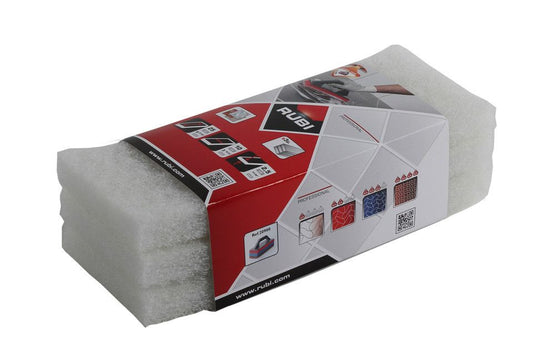
Replacement of 3 very soft 25cm Rubi scrubbing pads
Vendor:RUBIRegular price 8,12€Regular priceUnit price 0,00€ per8,66€Sale price 8,12€Sale -
Porex Trowel Tip 24x14cm Rubi
Vendor:RUBIRegular price 4,37€Regular priceUnit price 0,00€ per9,25€Sale price 4,37€Sale -
28cm Steel Comb with Open Rubiflex Handle Rubi R-10
Vendor:RUBIRegular price 13,10€Regular priceUnit price 0,00€ per17,80€Sale price 13,10€Sold out -
Trowel with 3 very soft ruby scrubbers
Vendor:RUBIRegular price 21,31€Regular priceUnit price 0,00€ per22,04€Sale price 21,31€Sale











RUBI Trowel: precision in every application
The RUBI trowel is an essential tool for any ceramic tile installation project. Made with durable materials and an ergonomic design, it allows adhesives and mortars to be applied evenly, making it easy to achieve a professional finish, even in DIY projects. At BRIKUM, we offer a wide range of models suited to different uses.
RUBI Floats for Professionals and DIY Users
RUBI floats stand out for their versatility and durability. They are the ideal choice for tile installers and bricklayers looking for a reliable tool for spreading adhesives and mortars. Available in different formats, the floats adapt to any type of material and surface, ensuring an even, clean finish.
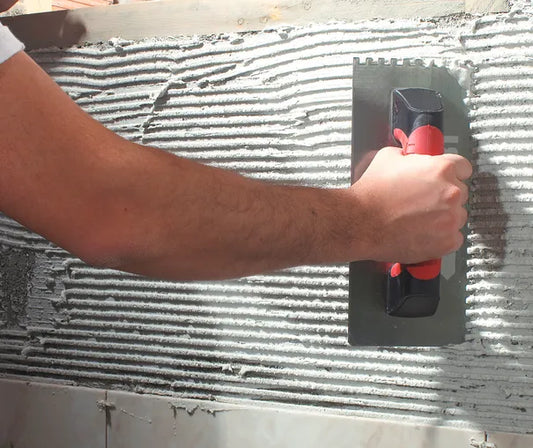
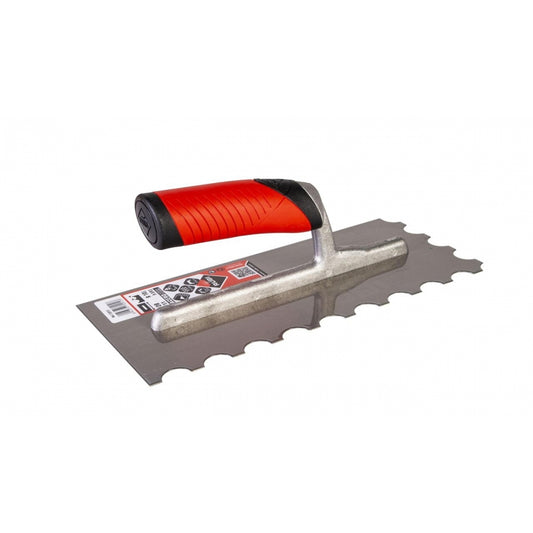
RUBI Notched Trowels: Uniform Application
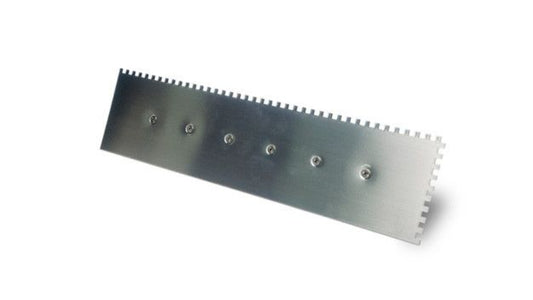
RUBI notched trowels are essential for ensuring that the correct amount of adhesive is applied. Thanks to their design with different notch sizes, they allow the application to be adapted according to the tile format or type of adhesive. At BRIKUM, we offer a wide variety of models, designed for both small projects and large-scale professional work.
Advantages of Using RUBI Trowels, Floats, and Notched Trowels
Using quality tools such as the RUBI trowel, RUBI floats, and RUBI notched trowels offers numerous benefits when installing ceramic tiles:
- Greater precision when applying adhesives.
- Professional finishes, even in home projects.
- Ergonomic, comfortable-to-use tools.
- Long service life thanks to their quality materials.
- Different sizes and notch options to meet every need.
How to Choose Your RUBI Tool
The choice between a RUBI trowel, a RUBI float, or a RUBI notched trowel will depend on the type of work to be carried out. For small projects, a simple trowel may be sufficient. For larger surfaces, it is advisable to use floats or notched trowels to ensure even adhesive application. At BRIKUM, you will find detailed product sheets with all the specifications for each tool.
Usage and Maintenance Tips
To keep your RUBI trowel, as well as your RUBI floats and RUBI notched trowels, in perfect condition, follow these recommendations:
- Clean the tools immediately after use to prevent adhesive residue.
- Always choose the appropriate notch size for the tile format.
- Store the tools in a dry place to prevent corrosion.
- If you work on professional projects, keep several sizes of floats and notched trowels on hand to adapt to each situation.
The RUBI trowel, together with RUBI floats and RUBI notched trowels, are essential tools for ensuring professional finishes when installing ceramic and porcelain tiles. At BRIKUM, we offer a complete catalog with different sizes and formats, always backed by the guarantee of a leading brand in the industry. Buy your RUBI tools online and work with maximum precision and comfort.